
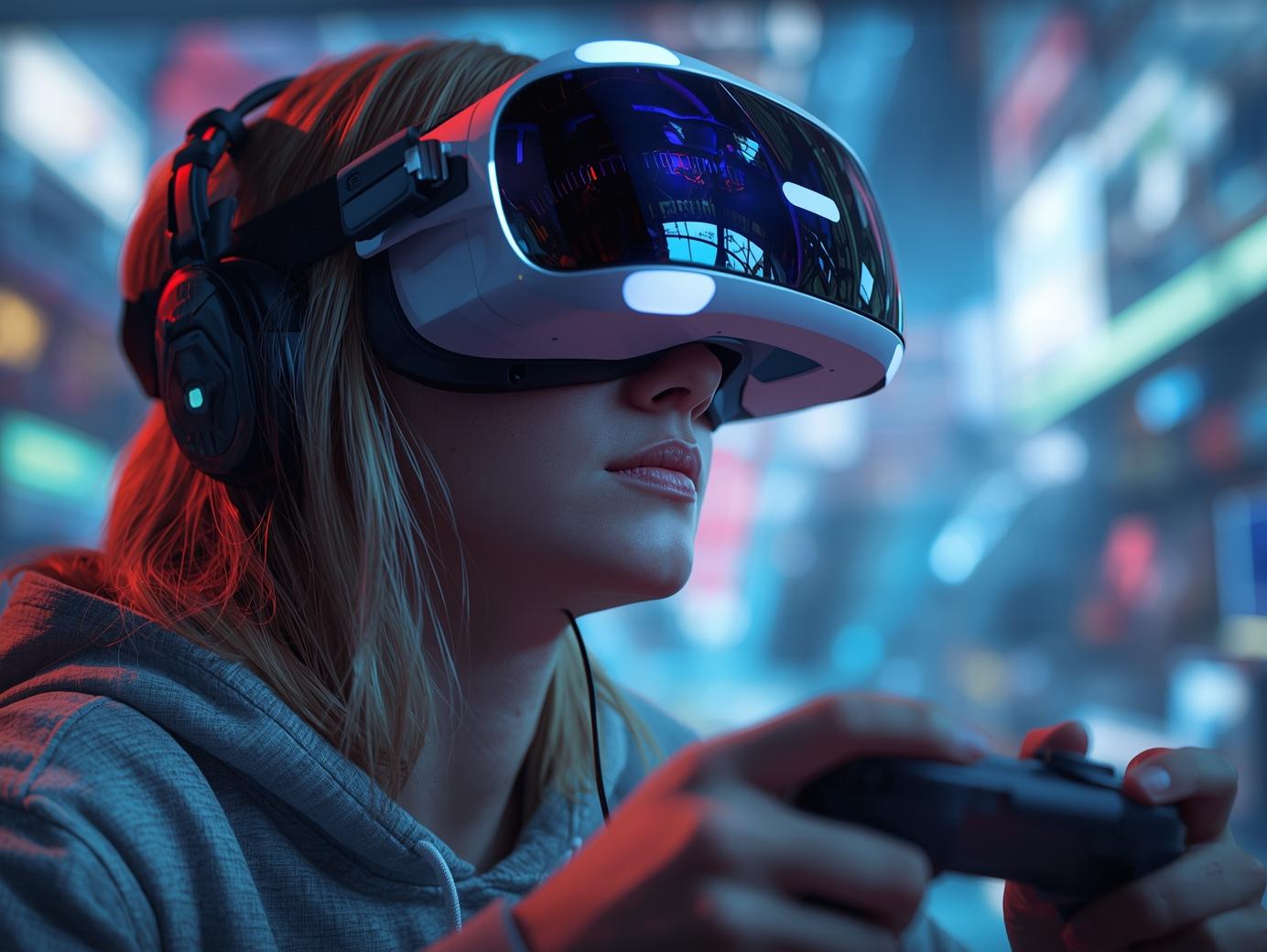
The world of gaming has witnessed remarkable evolution over the past decade, and two of the most transformative innovations driving this change are Virtual Reality (VR) and Augmented Reality (AR). These cutting-edge technologies have revolutionized how players interact with games, bringing new levels of immersion, realism, and interactivity. Both VR and AR are redefining the boundaries of game development, offering players an entirely new way to experience digital entertainment.
Understanding Virtual Reality (VR) in Game Development
Virtual Reality is a technology that places players inside a completely digital environment where they can interact as though they are part of the game itself. Using VR headsets, sensors, and controllers, gamers can move, look around, and engage with virtual surroundings in real time. Game developers use advanced engines such as Unity and Unreal Engine to design 3D environments that respond naturally to player movements, offering a sense of physical presence inside the virtual world.
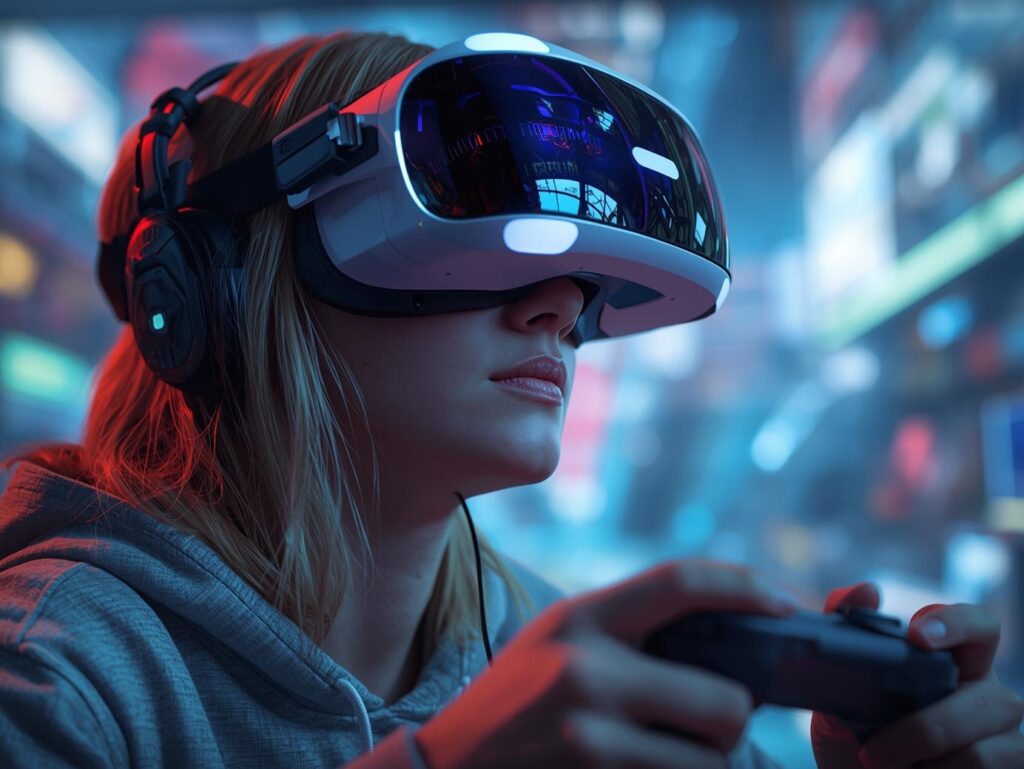
VR development also relies on technologies like motion tracking, spatial audio, and haptic feedback. Motion tracking ensures that every head or hand movement is reflected instantly in the virtual space, while spatial audio makes sound appear as if it’s coming from specific directions. Haptic feedback adds another layer of immersion by allowing players to feel in-game actions like weapon recoil or environmental vibrations. Games such as Half-Life: Alyx, Beat Saber, and The Walking Dead: Saints & Sinners showcase how VR can deliver breathtaking, realistic experiences that go far beyond traditional screen-based gaming.
The Role of Augmented Reality (AR) in Modern Games
Augmented Reality takes a different approach. Instead of creating an entirely new digital world, it blends virtual elements with the player’s real-world environment. AR technology uses smartphone cameras, sensors, and GPS data to overlay digital graphics onto real surroundings, making the experience interactive and dynamic.
Developers use software kits like ARCore (by Google) and ARKit (by Apple) to design AR-based games that integrate smoothly with a user’s physical environment. The success of Pokémon GO demonstrated the power of AR in gaming, allowing players to explore real locations while capturing virtual creatures. Similarly, games like Ingress and Minecraft Earth combine adventure and exploration, merging the physical and digital worlds into one continuous experience.

AR technology encourages mobility, real-world exploration, and social interaction, turning everyday surroundings into a gaming playground. This unique combination of reality and fantasy has made AR one of the most exciting developments in the gaming industry.
Core Technologies Behind VR and AR Game Development
Both VR and AR game development rely on a mix of high-performance hardware and intelligent software. Key technologies include 3D modeling, real-time rendering, motion sensors, AI-based object recognition, and cloud computing.
For VR, devices such as the Oculus Rift, PlayStation VR, and HTC Vive provide immersive experiences through wide field-of-view displays and precise motion tracking. In contrast, AR depends on mobile devices and smart glasses that use real-time mapping and computer vision to integrate virtual elements into the real world.
Artificial intelligence plays a significant role in both technologies, enhancing environmental interactions, character behavior, and realism. Cloud computing also supports VR and AR development by providing high-speed data processing and reducing device limitations.
Challenges in Developing VR and AR Games
While these technologies have great potential, they also present unique challenges. VR requires high-performance graphics hardware and careful design to avoid motion sickness and lag. AR developers must ensure accurate object placement and synchronization with real-world environments, which demands advanced sensors and precise coding.
Despite these challenges, ongoing improvements in processors, displays, and software optimization continue to make VR and AR more accessible to both developers and players worldwide.
The Future of VR and AR in Gaming
The future of gaming lies in the integration of Virtual Reality and Augmented Reality with artificial intelligence, 5G networks, and mixed reality (MR) systems. As technology becomes more affordable and powerful, VR and AR will become standard tools for game development, not just for entertainment but also for education, simulation, and eSports experiences.
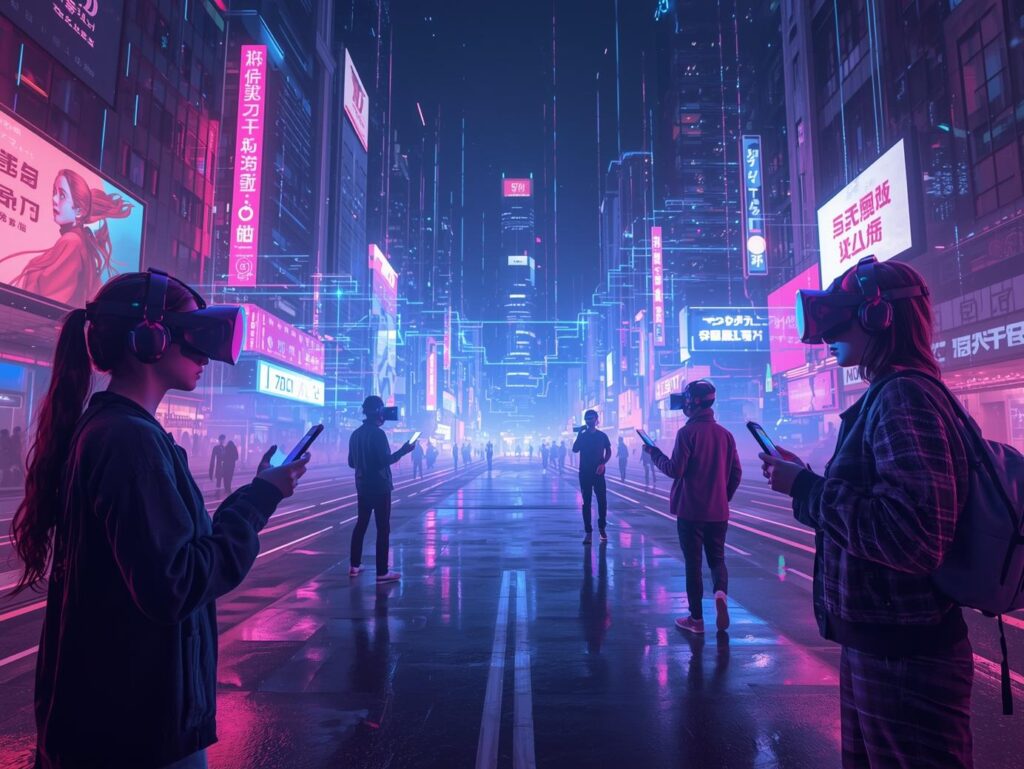
In the coming years, we can expect fully interactive VR worlds where players can interact naturally with other users and environments. Similarly, AR will become more advanced, allowing players to engage with digital elements seamlessly through smart glasses and wearable devices.