
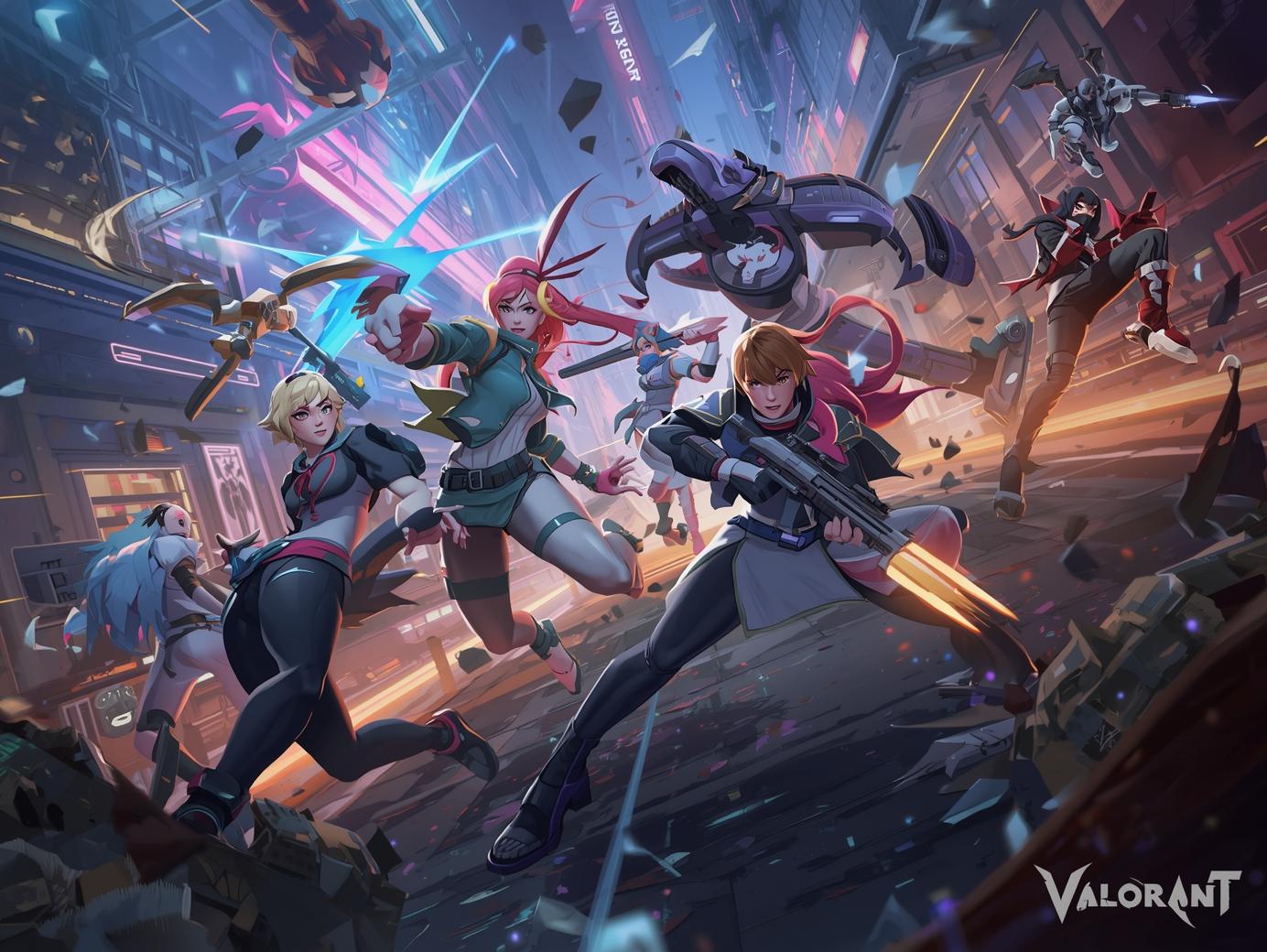
Valorant has taken the world of tactical shooters by storm since its release in 2020. Developed by Riot Games, the creators of League of Legends, Valorant blends the precision of classic FPS gameplay with the strategy of character-based abilities. What makes Valorant unique is how it challenges players to think tactically, act strategically, and communicate effectively with teammates to win each round.
This in-depth guide will help both newcomers and experienced players master the fundamentals of Valorant — from understanding agents and weapons to advanced strategies, team composition, and map control.
Understanding Valorant: The Core Gameplay
Valorant is a 5v5 tactical shooter where two teams face off in multiple rounds. One team attacks while the other defends. The attacking side’s objective is to plant a bomb-like device called the spike, while the defending team’s mission is to stop the attackers or defuse the spike if planted.
Victory requires more than shooting accuracy — it demands teamwork, game sense, and proper use of each agent’s abilities. Every round lasts around two minutes, and teams switch sides halfway through the match. The first team to win thirteen rounds takes the victory.
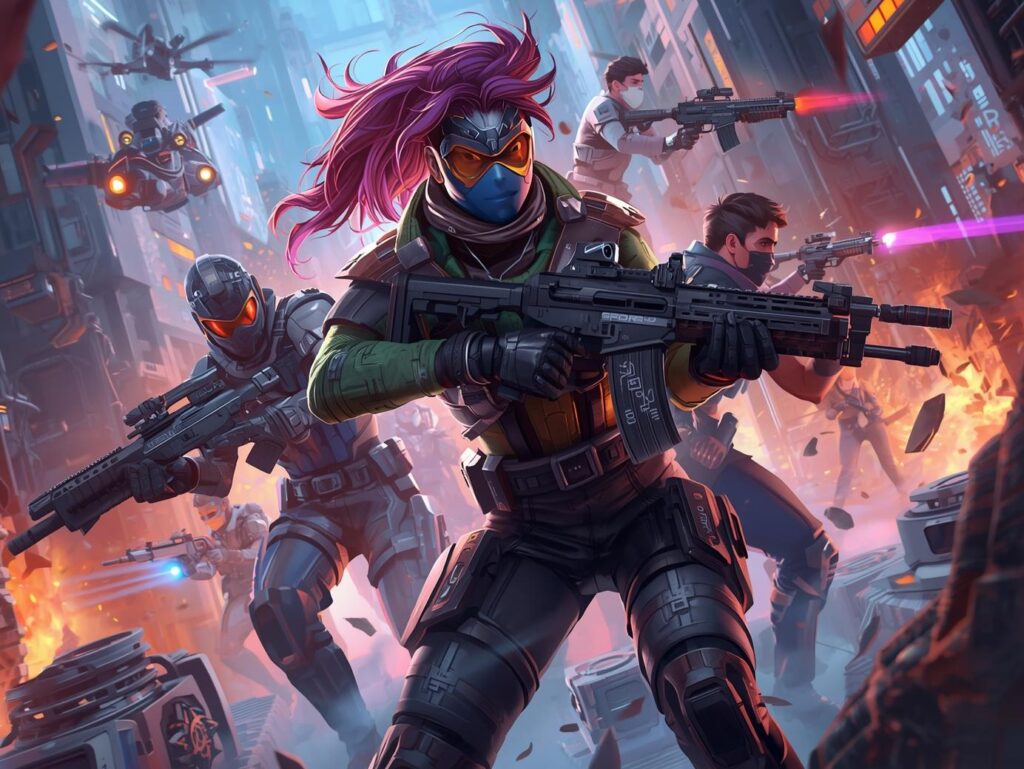
Unlike many other shooters, Valorant emphasizes precision and strategy over chaos, rewarding patience, positioning, and coordination.
Agents and Roles
One of Valorant’s defining features is its roster of agents, each with unique abilities and ultimate powers. Choosing the right agent and understanding their role is key to building a balanced team. Agents are categorized into four main roles:
Duelists
Duelists are offensive players who take the lead in fights. They are self-sufficient fraggers meant to create openings and entry kills for their team.
Examples: Jett, Phoenix, Reyna, Yoru, Raze.
Controllers
Controllers shape the battlefield by blocking enemy vision and creating space for their team to maneuver. Their abilities often include smokes and area control tools.
Examples: Brimstone, Omen, Viper, Harbor, Astra.
Sentinels
Sentinels are defensive experts who lock down areas, provide healing, and prevent enemy flanks. They play a crucial role in defense and post-plant scenarios.
Examples: Sage, Killjoy, Cypher, Chamber.
Initiators
Initiators help the team enter contested areas, gather information, and disrupt enemy setups. They excel at starting fights and clearing obstacles.
Examples: Sova, Breach, Skye, Fade, KAY/O.
Every team benefits from having a balanced mix of these roles. Success depends not only on individual skills but also on synergy between agents and teamwork.
Weapons and Economy Management
Valorant’s weapon system plays a major role in gameplay strategy. The in-game economy determines which guns and utilities players can buy at the start of each round. Players earn credits by completing objectives, planting or defusing the spike, and securing kills.
Weapons are divided into categories such as pistols, SMGs, rifles, snipers, shotguns, and heavy weapons. Popular choices like the Vandal and Phantom dominate mid-to-long-range duels, while pistols like the Ghost and Sheriff are effective during eco rounds.
Learning how to manage your credits — when to save, force-buy, or fully invest — is one of the most important aspects of the game. Poor economy decisions can put your team at a significant disadvantage in future rounds.
Game Phases: Attack and Defense
Valorant matches alternate between attacking and defending sides, requiring players to adapt their playstyles accordingly.
On Attack
The attacking team’s goal is to plant the spike at one of two or three bomb sites. Success depends on coordination and map control. Players must clear corners, use utility to block defenders’ vision, and communicate effectively to execute site takes.
A strong attack involves setting up diversions, timing utility properly, and making quick rotations if the initial site push fails.
On Defense
The defending team must protect bomb sites and eliminate attackers before they can plant the spike. Defenders use crossfires, utility placement, and sound cues to predict enemy movement. Good defenders know when to play aggressively for information and when to fall back to safer positions.
Retake scenarios — when defenders reclaim a planted spike — rely heavily on timing, teamwork, and ability synchronization.
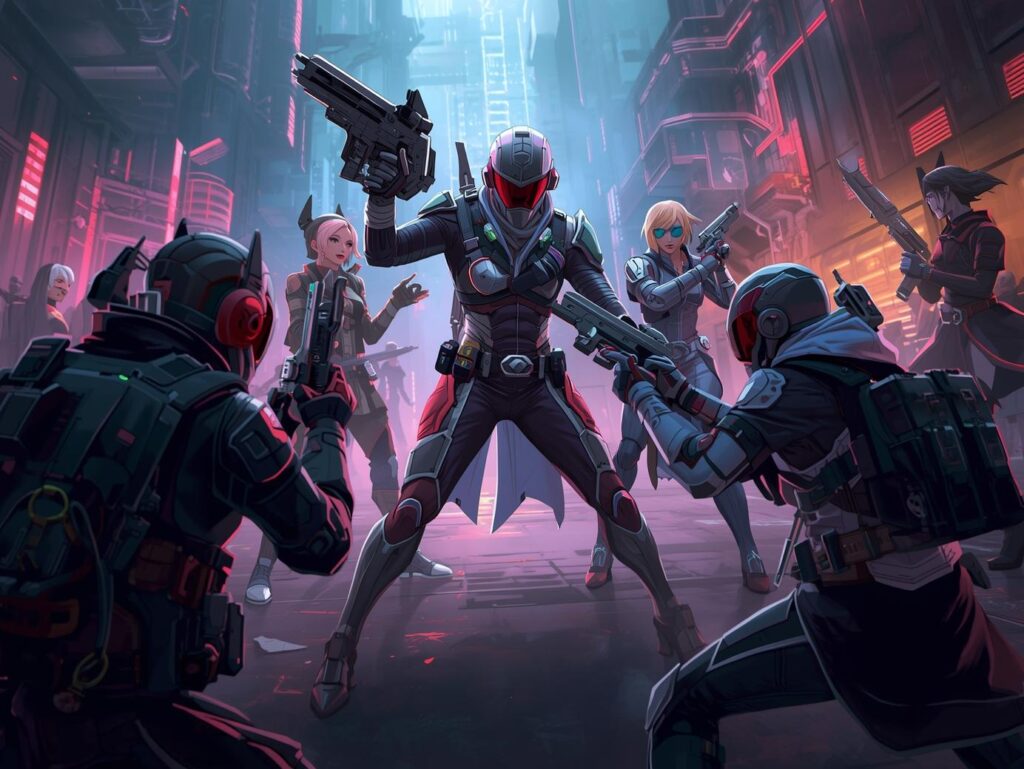
Mastering Maps and Positioning
Valorant features multiple maps, each designed to encourage different playstyles and strategies. Popular maps include Ascent, Bind, Haven, Split, Icebox, Breeze, Fracture, Lotus, and Sunset.
Understanding each map’s layout, choke points, and common hiding spots is essential. Successful players know how to use map geometry for cover, anticipate enemy rotations, and exploit weak areas in enemy defenses.
Learning callouts — the names of specific map locations — helps with communication. Efficient communication can turn a losing round into a winning one.
Abilities and Utility Usage
Abilities in Valorant are not meant to replace gunplay but to enhance it. Players must learn to use abilities strategically rather than waste them early.
For example, using smokes to block vision, flashes to blind enemies before pushing, or recon abilities to gather intel can decide the outcome of a round.
Coordinated utility usage, especially during executes or retakes, is one of the hallmarks of top-tier play.
Communication and Teamwork
Valorant is a team-based game where communication is vital. Clear, concise callouts about enemy positions, utility usage, and spike locations can dramatically improve team coordination.
Even when playing solo queue, being a positive and communicative player increases your chances of winning. Toxic behavior and poor communication often lead to disorganization and defeat.
Many professional teams attribute their success not just to shooting accuracy but to strong communication, trust, and role synergy.
Aim Training and Practice
Shooting accuracy is fundamental to success in Valorant. Players can improve aim by spending time in The Range, Valorant’s built-in training area. Practicing headshots, flicks, and recoil control is crucial before jumping into competitive matches.
Crosshair placement — aiming where an enemy’s head is likely to appear — significantly reduces reaction time and increases kill potential. Sensitivity settings and consistent warm-up routines also contribute to better accuracy over time.
Third-party aim trainers or custom practice maps can further help refine shooting mechanics for serious players aiming to climb ranks.
Competitive Mode and Ranking System
Valorant’s Competitive Mode is where the game’s true depth shines. Players are assigned ranks based on their performance in placement matches, starting from Iron and climbing through Bronze, Silver, Gold, Platinum, Diamond, Ascendant, Immortal, and finally Radiant — the highest tier.
Ranking up requires consistent performance, teamwork, and understanding of the game’s meta. Winning rounds, completing objectives, and maintaining a positive Kill/Death ratio influence ranking progress.
For U.S. players aiming for higher ranks, consistent practice, watching professional streams, and studying map tactics are essential strategies.
Advanced Strategies and Mind Games
Once players master the basics, they can focus on advanced tactics such as fake plays, baiting utility, and controlling tempo.
- Fake Plants: Planting or pretending to plant the spike can draw defenders out of hiding.
- Utility Baiting: Forcing opponents to waste abilities before committing to a push weakens their defensive setups.
- Tempo Control: Changing the speed of your team’s attacks keeps opponents guessing and prevents predictability.
Professional Valorant players excel at reading opponents, predicting rotations, and adapting mid-game — all skills that separate casual players from competitive champions.
Watching and Learning from the Pros
Valorant’s thriving eSports scene offers an excellent learning resource for players. Watching professional tournaments such as the Valorant Champions Tour (VCT) reveals how top teams execute plays, manage economy, and coordinate utility.
U.S.-based teams like Sentinels, 100 Thieves, and Cloud9 have become icons in the competitive scene, showcasing tactical excellence and innovative strategies. Observing professional gameplay helps players understand advanced mechanics and adapt them to their own matches.
Tips for New Players
For beginners stepping into Valorant, the experience can be intense. However, following a few key principles can accelerate improvement:
- Learn one or two agents first instead of switching frequently.
- Focus on map knowledge and communication before worrying about rank.
- Practice crosshair placement and recoil control daily.
- Watch high-level gameplay to understand team dynamics.
- Stay calm under pressure — panic is a player’s biggest enemy.
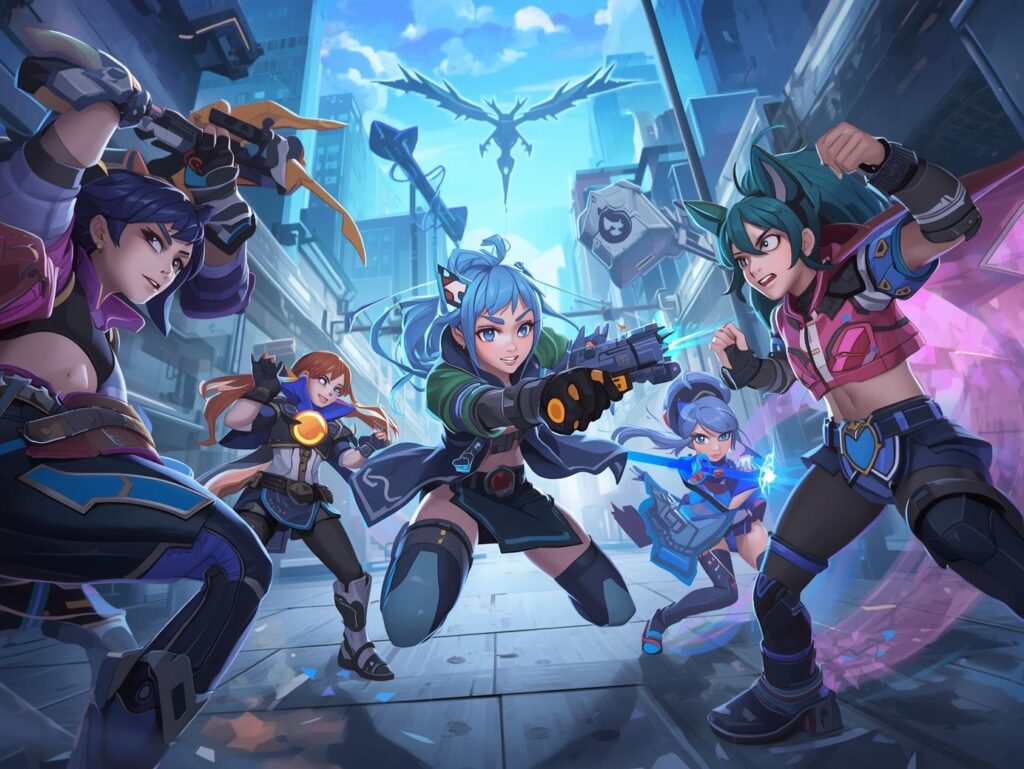
Consistency, patience, and a learning mindset are the foundation of Valorant success.
The Psychological Side of Valorant
Valorant is as much a mental game as it is mechanical. Confidence, focus, and emotional control play massive roles in performance. Many skilled players lose matches due to frustration or poor mindset rather than a lack of skill.
Maintaining composure during clutch situations or after a losing streak can make all the difference. The best players understand that each round is an opportunity for a comeback.
Updates, Meta Shifts, and Adaptability
Riot Games consistently updates Valorant, adding new agents, maps, and balance patches. Each update reshapes the meta — the dominant strategies and agent combinations that define high-level play.
Successful players stay informed about patch notes and adjust their playstyle accordingly. Flexibility ensures long-term success and adaptability in both ranked and casual modes.