
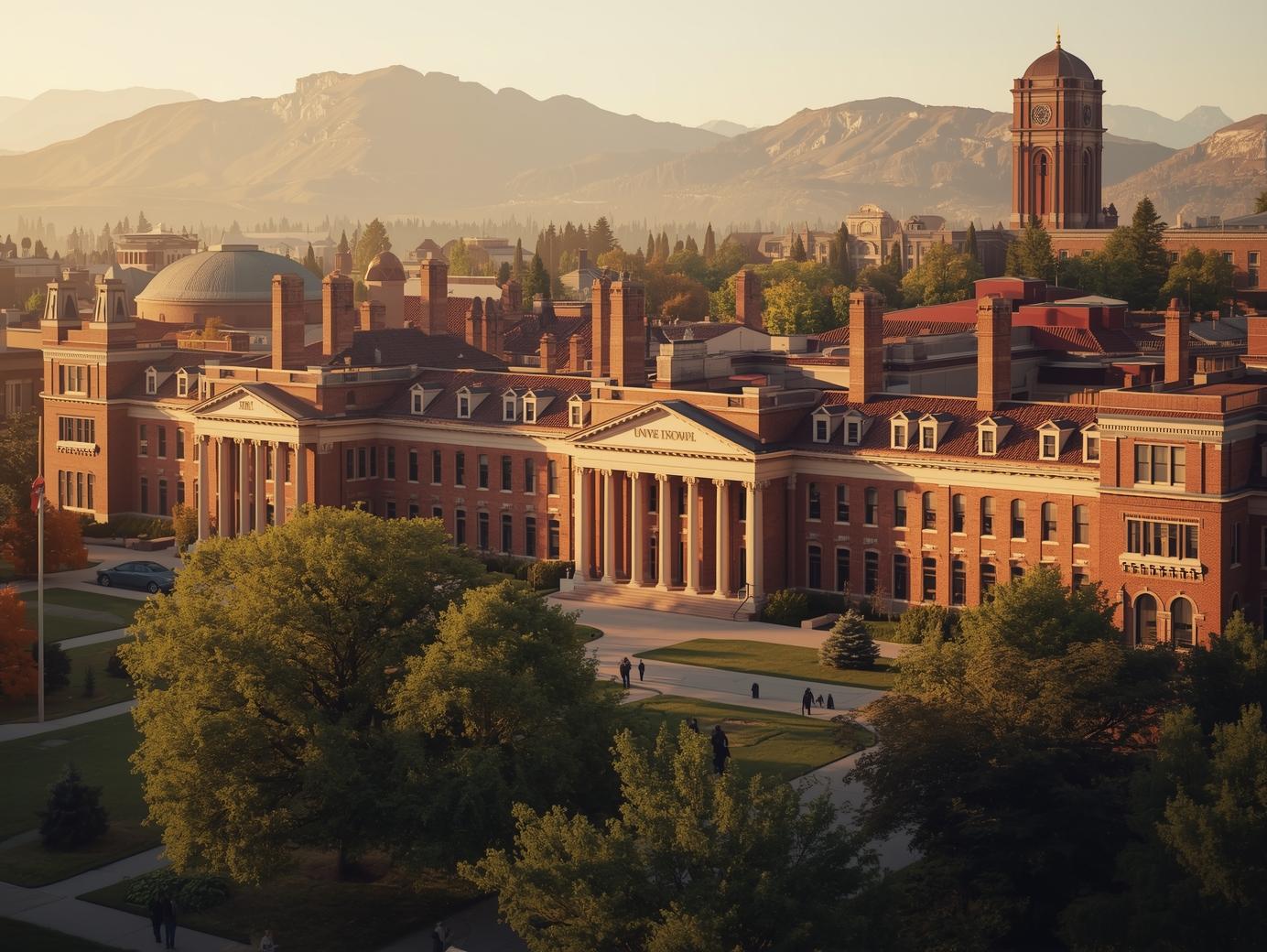
The University of Utah (U of U) has emerged as one of the United States’ leading institutions for game development and interactive media education. With its strong blend of art, engineering, and creative storytelling, the university offers programs that prepare students for careers in the gaming industry, simulation, virtual reality, and beyond. Located in Salt Lake City, U of U’s game-focused division is known for producing publishable games, research breakthroughs, and industry-ready graduates.
Location and Campus Environment
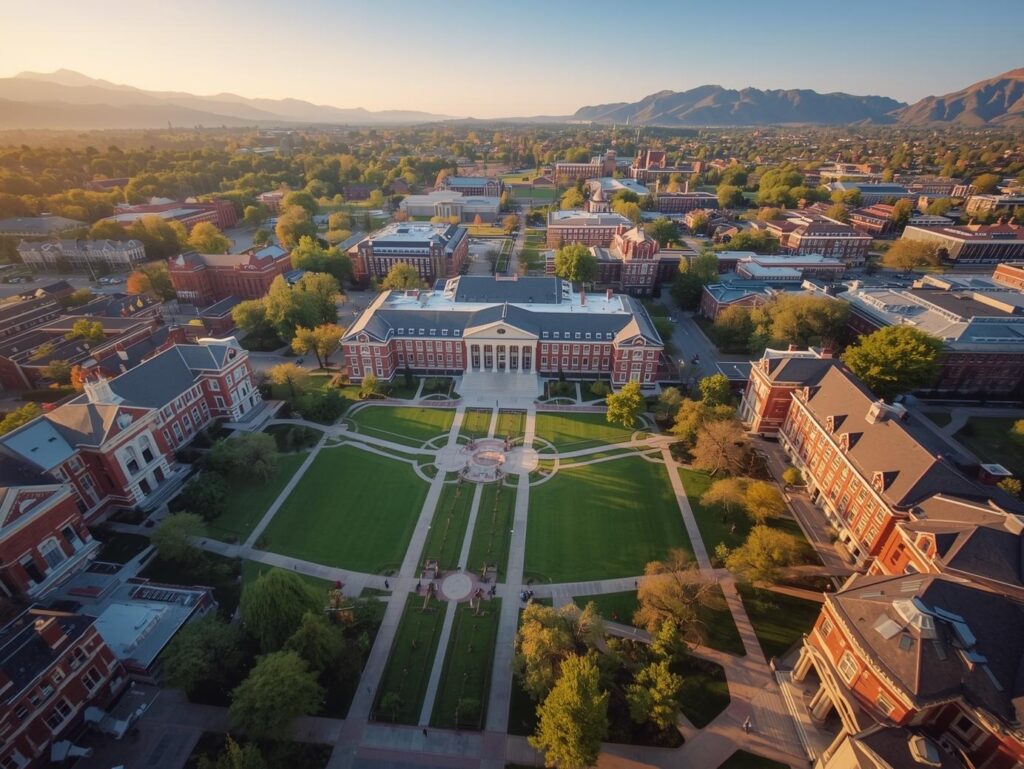
The University of Utah is situated in Salt Lake City, Utah. The campus lies at the foot of the Wasatch Mountains, offering a scenic setting that combines outdoor recreation with a tech-savvy urban environment. The Division of Games and the Entertainment Arts & Engineering (EAE) programs are housed within modern facilities and benefit from the university’s strong research and computing infrastructure. This environment provides students access to both creative studios and high-end technical labs.
Key Game Development Programs Offered
U of U offers several degrees in game development and interactive entertainment, tailored for both undergraduate and graduate students.
Bachelor of Science in Games
This program is designed for students aspiring to work in the professional games industry or related fields like simulation or educational tools. It provides a strong technical foundation in mathematics and computing, paired with coursework in game design and production.
Bachelor of Science in Computer Science – Entertainment Arts & Engineering Emphasis
Offered by the School of Computing in collaboration with the Division of Games, this track combines traditional computer science fundamentals with specialized coursework in game engines, graphics, and interactive media.
Master of Entertainment Arts & Engineering (MEAE)
This graduate program is built for advanced students seeking leadership or specialized roles in the gaming industry. The MEAE allows students to choose tracks such as Game Arts, Game Engineering, Game Production, Technical Art, and Game Design. Coursework includes studio simulation, rapid prototyping, and the theory of games and play.
Tuition and Fee Structure
Understanding the cost of education is crucial when selecting a program. Here’s a breakdown of typical costs at U of U:
- For graduate students, the 2024-2025 Cost of Attendance estimates show that tuition and fees for resident students are around $10,602 for general graduate programs, and for non-residents around $38,604. financialaid.utah.edu
- Graduate tuition for specialized programs such as MEAE include additional “differential tuition” and program-specific fees. games.utah.edu
- Undergraduate students in the Division of Games pay a games-program differential fee of $68.80 per credit hour in addition to standard tuition. fbs.admin.utah.edu
While these numbers reflect general estimates and program-specific fees can vary, they provide a clear idea of the investment required.
Scholarships and Financial Aid
The University of Utah supports students in its game development programs through scholarship offerings and financial aid opportunities. The EAE program specifically mentions scholarships set aside for students in the division. games.utah.edu
Examples include:

- The “EAE NextGen Scholarship” which is awarded to an undergraduate student in the EAE program. games.utah.edu
- General university scholarships, as well as need-based and merit-based awards.
Students are encouraged to apply early and review deadlines and eligibility criteria specific to game-focused tracks.
Why Choose the University of Utah for Game Development
Several factors make U of U a compelling choice for students interested in game development:
- The university’s programs consistently rank highly in game-design education, thanks to their interdisciplinary structure and studio-based experiences. attheu.utah.edu+1
- Students in the Division of Games have the option to publish games before graduation — gaining practical experience and portfolio projects that help in securing jobs after school. games.utah.edu
- The combination of engineering, computer science, and art provides flexibility for students interested in technical programming roles, artistic design roles, or hybrid positions.
- Salt Lake City’s growing technology sector and relatively affordable cost of living make the location advantageous compared to some higher-cost coastal metropolitan areas.