
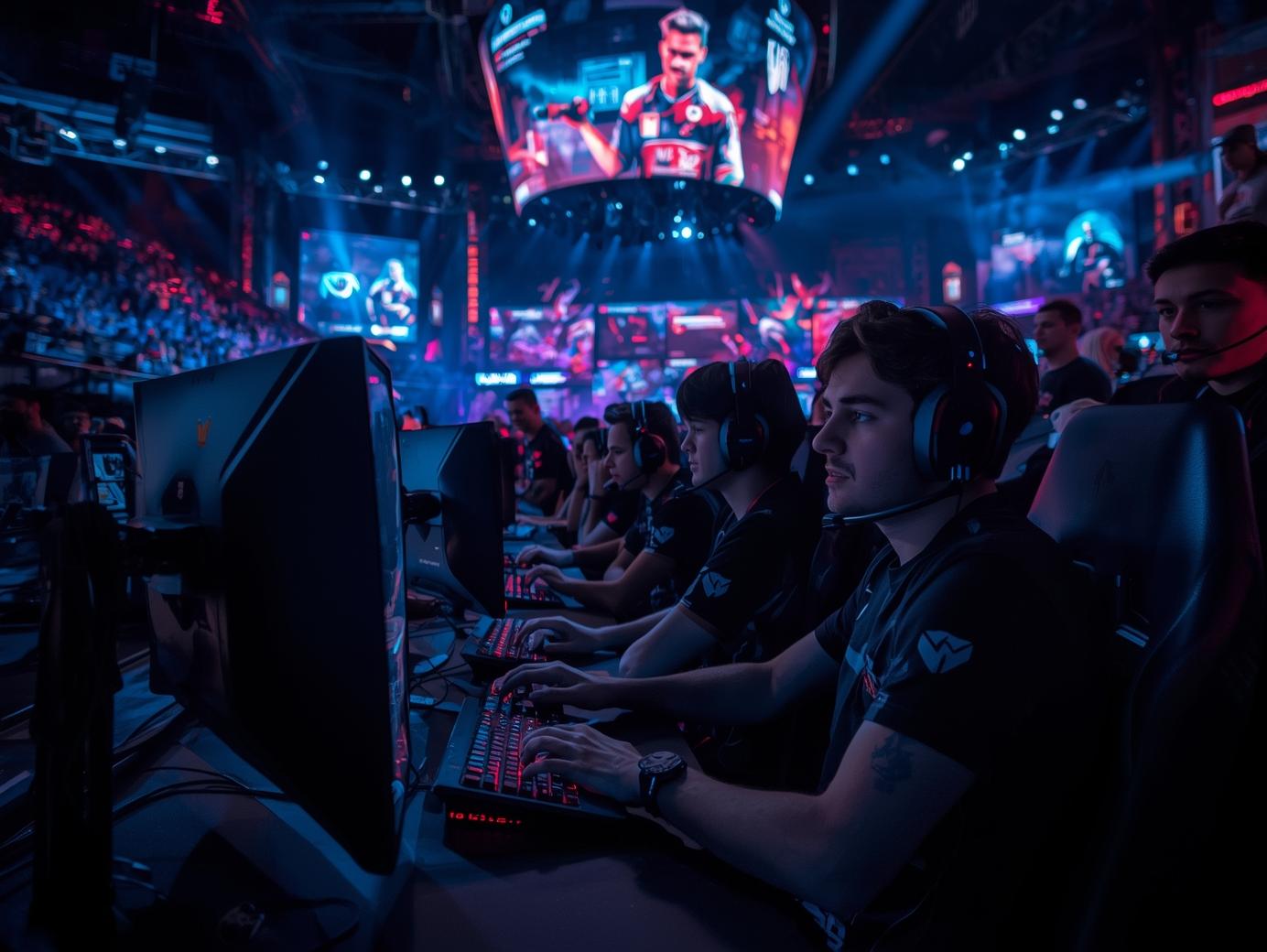
The gaming world has evolved far beyond casual entertainment. What began as friendly competitions in living rooms and arcades has transformed into a multibillion-dollar global industry known as eSports — short for electronic sports. This new era of competitive gaming has redefined how people perceive video games, blending skill, strategy, technology, and entertainment into one powerful phenomenon.
Today, eSports and competitive gaming dominate digital culture, with millions of viewers tuning in worldwide to watch players compete at the highest levels across games like League of Legends, Valorant, Fortnite, and Counter-Strike 2. The United States, in particular, has become a leading hub for professional gaming, esports tournaments, sponsorships, and gaming technology innovation.
This article explores the evolution, impact, and future of eSports — diving into how competitive gaming has reshaped entertainment, education, and professional opportunities across the globe.
The Evolution of eSports: From Arcade Rooms to Global Stages
The roots of eSports can be traced back to the early days of gaming in the 1980s, when arcade titles like Space Invaders and Donkey Kong inspired small tournaments. However, it wasn’t until the late 1990s and early 2000s that online multiplayer games like StarCraft, Counter-Strike, and Quake turned gaming into a truly competitive endeavor.
The explosion of high-speed internet allowed players from around the world to face off in real time. LAN parties and small regional events soon evolved into massive international tournaments featuring large prize pools and professional players.
Today, eSports stands as one of the fastest-growing sectors in entertainment, rivaling traditional sports leagues in viewership and sponsorship deals. Major tournaments such as The International (Dota 2), League of Legends World Championship, and Fortnite World Cup attract millions of fans and multi-million-dollar prizes.
The Structure of Competitive Gaming
Competitive gaming revolves around organized tournaments, team-based leagues, and individual competitions. Players train rigorously, often dedicating 8 to 12 hours per day to improve reflexes, strategies, and coordination. Teams are structured similarly to traditional sports organizations, featuring coaches, analysts, managers, and sponsors.
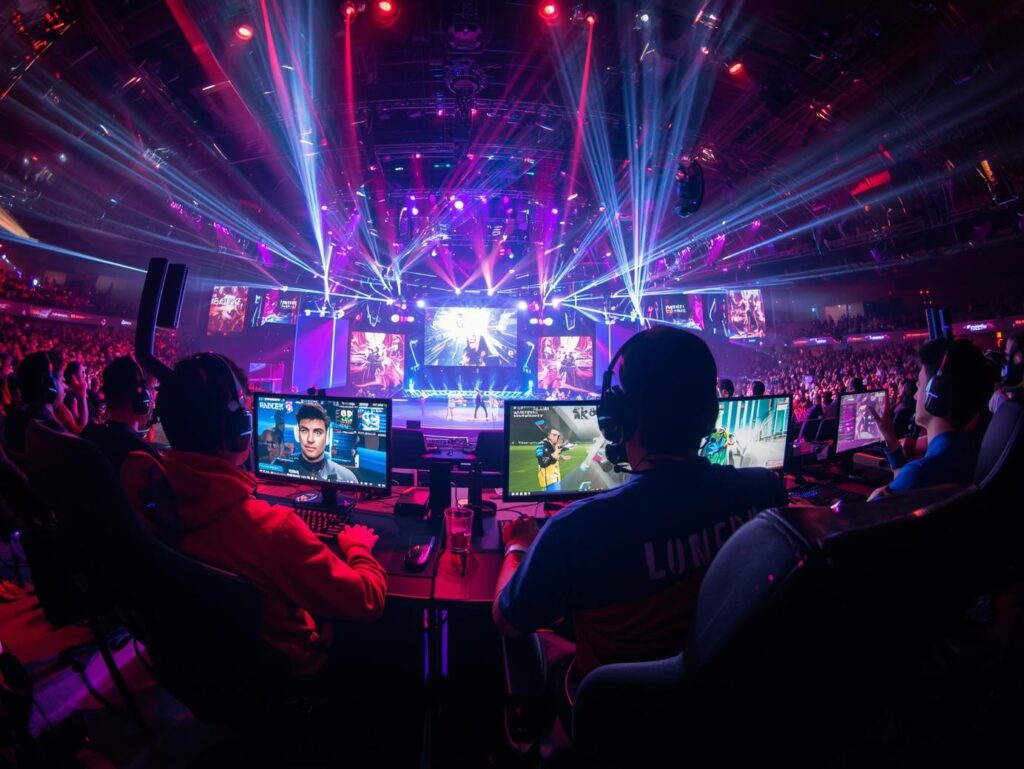
The competition environment is categorized into tiers — from amateur and semi-pro circuits to professional international leagues. Popular games across different genres dominate the eSports ecosystem:
- MOBA (Multiplayer Online Battle Arena) games like League of Legends and Dota 2.
- FPS (First-Person Shooters) like Valorant, Call of Duty, and Counter-Strike 2.
- Battle Royale titles such as Fortnite and PUBG.
- Sports Simulators including FIFA, NBA 2K, and Rocket League.
- Fighting Games like Street Fighter and Tekken.
Each of these genres attracts different audiences but shares one common element — the pursuit of mastery and competition.
The Role of Technology in eSports
Modern technology has been the backbone of eSports’ growth. High-performance gaming PCs, optimized consoles, and advanced mobile devices have made competitive gaming more accessible than ever. Cloud gaming and low-latency streaming technology now allow players from anywhere in the world to compete seamlessly.
The development of dedicated eSports arenas, virtual reality integration, and artificial intelligence-driven analytics are pushing competitive gaming to new heights. Game developers also play a vital role by balancing gameplay, maintaining fairness, and creating spectator-friendly features to enhance broadcast experiences.
Streaming platforms such as Twitch, YouTube Gaming, and Kick have revolutionized viewership. Fans can now follow professional players, watch live tournaments, and engage with communities in real time, making gaming not just an activity but a full-fledged entertainment industry.
eSports in the United States
The United States has become one of the central pillars of global eSports culture. American players and organizations have achieved international recognition, while major U.S. cities host large-scale tournaments and gaming expos. Events like the Overwatch League Finals and Call of Duty League Championships draw packed crowds to venues like Madison Square Garden and Staples Center.
The country’s investment in gaming infrastructure, broadband accessibility, and technology education has supported the professionalization of the eSports scene. Colleges and universities across the USA now offer eSports scholarships and degree programs, recognizing competitive gaming as a legitimate academic and athletic pursuit.
Additionally, professional organizations such as Team Liquid, Cloud9, 100 Thieves, and Evil Geniuses have built multi-million-dollar brands, blending entertainment, apparel, and streaming into their business models.
The Rise of eSports as a Career
Once considered a hobby, gaming is now a full-fledged profession. Players earn income through tournament winnings, sponsorships, brand deals, and streaming revenue. Top-tier professionals can earn six to seven figures annually, while content creators expand their reach to millions of fans worldwide.
Beyond playing competitively, the eSports ecosystem also offers diverse career paths, including:
- Game casting and commentary
- Coaching and analysis
- Event production and management
- Marketing, branding, and sponsorship coordination
- Game design and development
This career diversity highlights eSports as a thriving sector combining entertainment, technology, and creativity.
eSports and Education
The educational value of eSports is gaining recognition. High schools and colleges across the United States have established eSports teams and clubs to engage students and teach valuable skills such as teamwork, leadership, problem-solving, and digital literacy.
Many universities now provide eSports scholarships, treating competitive gaming as a legitimate athletic activity. Programs at institutions like the University of California-Irvine and Boise State University have set new standards for collegiate eSports, merging academic learning with competitive gaming development.
The Business of eSports
The financial power behind eSports is staggering. The industry’s revenue has surpassed several billion dollars globally, driven by sponsorships, advertising, media rights, merchandise, and in-game purchases.
Big brands such as Coca-Cola, Red Bull, Intel, and Nike have invested heavily in eSports, recognizing its potential to reach younger, tech-savvy audiences. Esports organizations also secure funding through partnerships, digital content creation, and streaming platforms.
The increasing crossover between gaming and entertainment has made eSports a cornerstone of digital marketing and youth culture.
eSports and Global Community
Unlike traditional sports with geographic limitations, eSports has built a global digital community that connects players and fans from every continent. Competitive gaming transcends language, borders, and culture, uniting people through a shared passion for play and competition.
Social media platforms have amplified this sense of connection, allowing players to build fan bases, engage with audiences, and share behind-the-scenes insights. Online communities surrounding games like Valorant, League of Legends, and Fortnite thrive on collaboration and creativity, giving players opportunities to build careers and friendships worldwide.
Challenges in the Competitive Scene
Despite its growth, the eSports industry faces challenges. Issues like player burnout, fair compensation, cheating, and maintaining balanced gameplay remain ongoing concerns. The intense competitive environment can lead to mental fatigue, prompting organizations to invest in mental health programs and wellness initiatives for players.
Another challenge lies in ensuring diversity and inclusion within the eSports ecosystem. Many organizations are now actively working to provide equal opportunities for players regardless of gender, background, or region.
The need for clear regulations, standardized contracts, and player rights has become increasingly important as the industry continues to professionalize.
The Future of eSports
The future of eSports looks brighter than ever. With rapid advancements in technology, increased mainstream recognition, and growing global participation, eSports is projected to continue expanding across platforms and demographics.
Virtual and augmented reality are expected to create new forms of competitive gaming experiences. Additionally, cross-platform integration will allow seamless competition between mobile, console, and PC players.
In the coming years, eSports may even become an official part of global sporting events. Discussions are already underway to include eSports as a medal category in international competitions, further legitimizing its place in the world of sports.
Why eSports Matters
eSports is more than a form of entertainment — it’s a cultural movement. It demonstrates how gaming can foster community, innovation, and career opportunities in a digital age. It provides a platform for creativity, discipline, and teamwork, reshaping how society views video games.
In the USA and beyond, eSports continues to inspire millions of gamers to chase excellence, connect with others, and redefine competition in the 21st century