
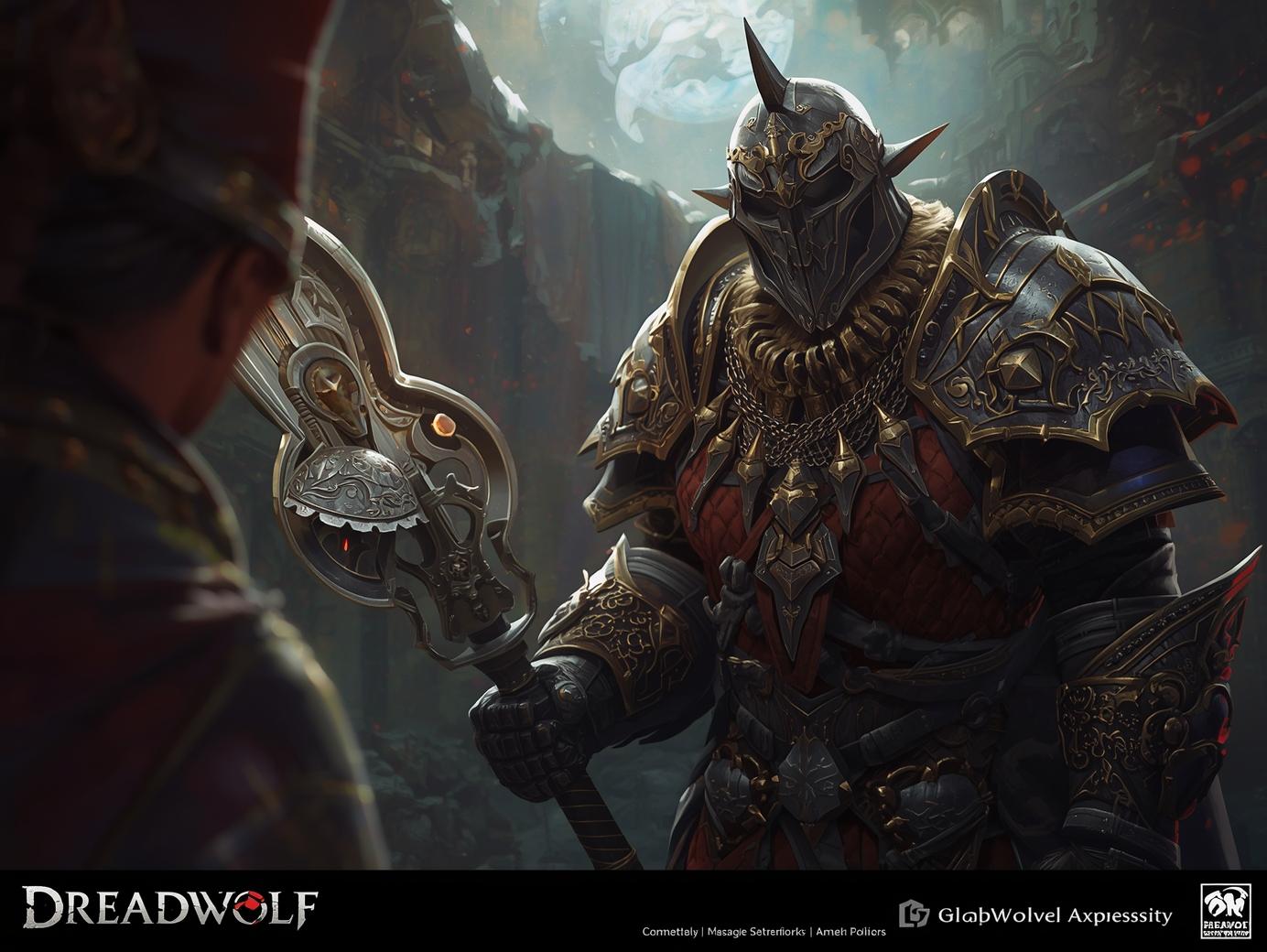
The gaming world is buzzing with anticipation as BioWare, one of the most respected developers in the RPG genre, prepares to release the next chapter in its beloved fantasy saga — Dragon Age: Dreadwolf. As one of the most awaited upcoming games in recent years, this title promises to redefine the modern role-playing experience with its immersive storytelling, next-generation visuals, and deep character-driven narrative.
With the Dragon Age series already holding a legendary status among RPG fans, this new installment aims to deliver an unforgettable experience that builds on its predecessors while embracing innovation for today’s gaming audience. Let’s explore everything we know so far about this much-anticipated title.
The Legacy of the Dragon Age Series
The Dragon Age franchise first captivated players in 2009 with Dragon Age: Origins, a game celebrated for its rich storytelling, moral complexity, and dynamic world-building. It introduced players to Thedas, a realm filled with warring kingdoms, mystical forces, and deep political intrigue.
Subsequent titles like Dragon Age II and Dragon Age: Inquisition expanded on this universe, offering players choices that shaped not only their personal stories but also the fate of entire nations. Each game offered its own flavor of strategic combat, emotional depth, and meaningful decision-making — hallmarks that have become synonymous with BioWare’s design philosophy.
Now, nearly a decade since Inquisition, fans are preparing to return to Thedas in Dragon Age: Dreadwolf. This title is not just another sequel — it’s a complete reimagining of what the franchise can be in the era of next-generation gaming.
What We Know About Dragon Age: Dreadwolf
Dragon Age: Dreadwolf has been in development for several years and represents one of BioWare’s most ambitious projects to date. The name itself references a key figure in the lore — Solas, known as the “Dread Wolf,” who played a central role in Dragon Age: Inquisition.
In this upcoming installment, Solas takes center stage, and the story is expected to explore his complex motivations and the consequences of his actions. The narrative is rumored to revolve around his attempt to reshape the world of Thedas, setting the stage for an epic conflict between ancient magic and modern civilization.
This direction suggests a darker, more introspective tone compared to previous games. Players can expect moral ambiguity, difficult choices, and emotional storytelling that challenges them to think critically about loyalty, power, and destiny.
Gameplay and Mechanics
BioWare has confirmed that Dragon Age: Dreadwolf will feature a mix of real-time action and strategic control, staying true to the tactical roots of the series while offering smoother and more responsive combat.
The development team is reportedly refining the companion system, ensuring that each character has meaningful dialogue, personal quests, and unique combat abilities. These companions will play an integral role in shaping the story, relationships, and even the ending of the game.
The game world is said to be expansive and interconnected, offering multiple regions for players to explore — from ancient ruins and mystical forests to bustling cities and frozen mountains. Unlike earlier entries, players may have more freedom to travel between locations without strict linear progression, allowing for greater immersion and exploration.
Visuals and Technology
Powered by EA’s Frostbite engine, Dragon Age: Dreadwolf is expected to deliver stunning visuals and detailed environments that bring Thedas to life like never before. From the glimmer of magical spells to the architectural grandeur of ancient elven cities, every visual element has been designed to create a cinematic experience.
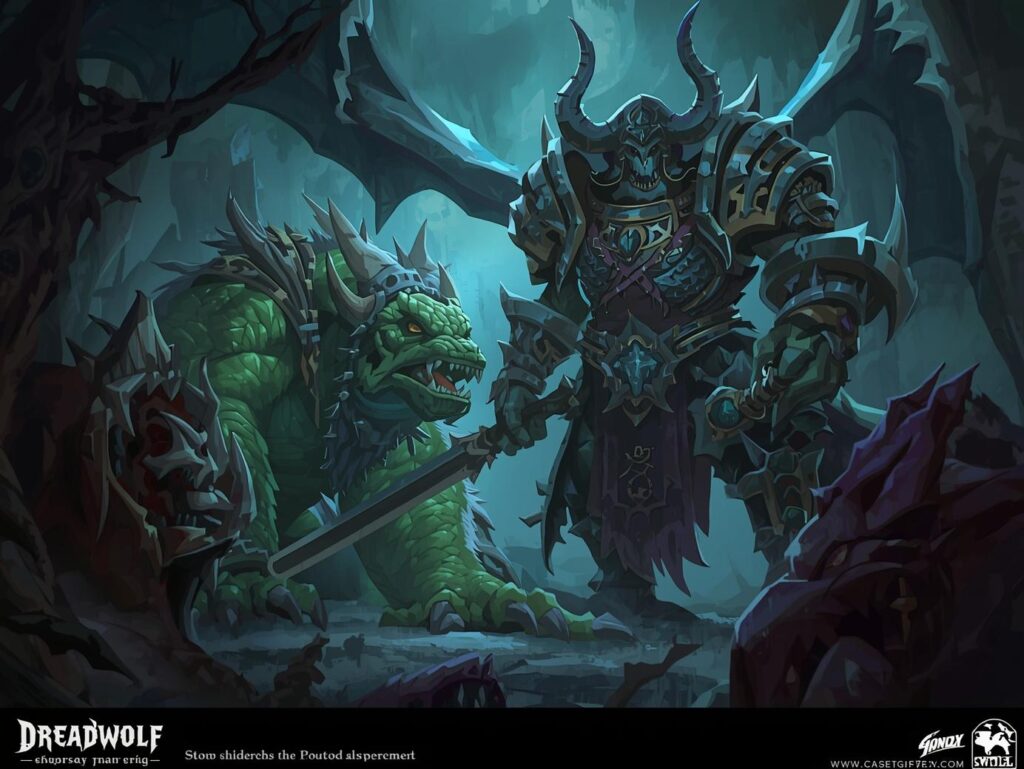
Lighting, weather effects, and terrain diversity will play a key role in shaping the atmosphere. The new engine allows for improved character animations and realistic interactions, helping players feel more emotionally connected to their companions and the world around them.
The game is being optimized for next-generation consoles such as PlayStation 5 and Xbox Series X, as well as high-end PCs, ensuring that performance and visual fidelity meet modern standards.
Storytelling and Character Depth
Storytelling has always been the heart of the Dragon Age experience, and Dreadwolf aims to push that even further. The game will continue to offer branching storylines that evolve based on player choices, ensuring that no two playthroughs are identical.
BioWare’s creative team has hinted that players will once again lead a new protagonist, distinct from previous heroes like the Warden, Hawke, or the Inquisitor. This character’s role in the larger world remains a mystery, but the focus will likely center around uniting diverse factions to confront the growing threat posed by Solas and his followers.
Character relationships will once again be a major element, with the return of romance options, moral dilemmas, and dialogue choices that influence how companions perceive the player. BioWare’s ability to create emotionally resonant characters has always been one of its greatest strengths, and fans expect Dreadwolf to deliver that signature depth.
The Return of the Dread Wolf
The title of the upcoming game itself holds deep significance in the Dragon Age lore. Solas, the Dread Wolf, is a complex and polarizing figure — part hero, part villain, and entirely enigmatic. His story connects to the ancient Elven gods and the mysterious Fade, a magical realm that has been central to the series’ mythology.
By placing Solas at the center of the narrative, BioWare is giving players a chance to explore the origins of Thedas’ greatest mysteries. His actions in Inquisition left fans with more questions than answers, and Dreadwolf promises to resolve many of those lingering threads while introducing new twists to the saga.
Anticipation Among U.S. Gamers
In the United States, the Dragon Age franchise has built a loyal following among RPG enthusiasts who value choice-driven storytelling and immersive worlds. With the growth of digital distribution and streaming platforms, the conversation around Dreadwolf has become a major talking point in the gaming community.
American players, in particular, are eager to see how BioWare evolves its design philosophy after years of feedback from fans and critics. The blend of cinematic storytelling, customizable gameplay, and high replay value aligns perfectly with the preferences of modern RPG players in the U.S.
The upcoming release is also expected to reignite interest in PC and console gaming, drawing in both longtime fans and newcomers who may have missed the earlier installments.
The Impact on the RPG Genre
The Dragon Age franchise has always set a benchmark for narrative-driven RPGs, influencing countless other titles across the industry. With Dreadwolf, BioWare has the opportunity to redefine what a role-playing game can be in 2025 and beyond.
Its emphasis on moral choices, political intrigue, and player freedom aligns with the growing demand for story-rich experiences in gaming. Many developers look to BioWare’s approach as a gold standard for character-driven storytelling and emotional depth.
If Dreadwolf succeeds in combining modern gameplay with the heart of classic RPG design, it could mark a new golden age for the genre, inspiring future titles across platforms.
Expectations for Launch and Reception
While no official release date has been announced, industry insiders and gaming news sources suggest that Dragon Age: Dreadwolf is nearing completion and may release within the next year. The excitement surrounding its launch is enormous, with fans expecting major reveals, gameplay trailers, and developer insights in the coming months.
BioWare has faced challenges in recent years, but Dreadwolf represents an opportunity for the studio to reaffirm its place as one of the leaders in the RPG space. Early reports from testers indicate that the game is shaping up to deliver a rich, emotionally resonant experience that lives up to the Dragon Age name.