
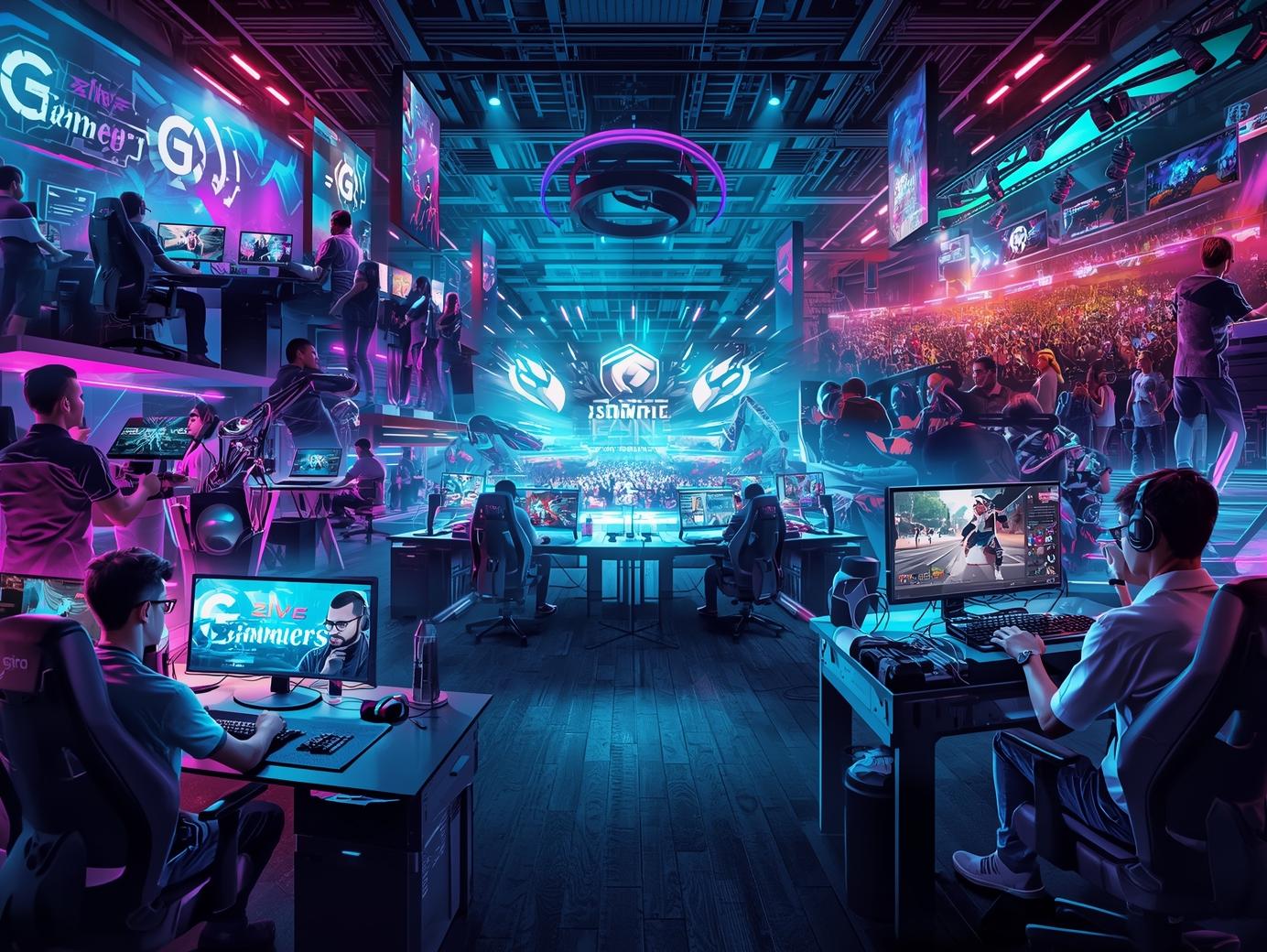
The gaming industry has evolved into one of the most dynamic and profitable sectors of global entertainment. Once considered a niche hobby, gaming has now become a cultural phenomenon that influences technology, storytelling, and even sports. With millions of active players, developers, and creators worldwide, the industry continues to expand and innovate at a rapid pace. From cutting-edge technology to new forms of social interaction, the current trends dominating the gaming industry are redefining how players experience games in 2025 and beyond.
The Rise of Cloud Gaming
One of the most significant shifts in the gaming landscape is the rise of cloud gaming. This technology allows players to stream high-quality games directly from remote servers, eliminating the need for expensive gaming consoles or high-end PCs. Platforms like Xbox Cloud Gaming and NVIDIA GeForce Now have made it possible to play AAA titles on almost any device with a stable internet connection.
Cloud gaming represents a major step toward accessibility, allowing players around the world to experience premium gaming without hardware limitations. As internet infrastructure continues to improve globally, this trend is expected to revolutionize how games are distributed and consumed.
Cross-Platform Play: Breaking Barriers Between Devices
Another powerful trend transforming the industry is cross-platform play. Traditionally, gamers were restricted to competing within their own platforms—PlayStation players with PlayStation, PC with PC, and so on. However, cross-platform integration has changed that, enabling players from different systems to connect and compete in shared environments.
Popular titles like Fortnite, Call of Duty: Warzone, and Rocket League have led the charge, creating unified communities that transcend console boundaries. This growing inclusivity is fostering a more connected and competitive gaming ecosystem where collaboration and competition know no limits.
Virtual Reality (VR) and Augmented Reality (AR): Immersive Gaming Experiences
Virtual Reality and Augmented Reality are transforming gaming into a deeply immersive experience. VR headsets such as the Meta Quest 3 and PlayStation VR2 are offering players lifelike environments where they can move, interact, and experience the game world in real time. Meanwhile, AR games like Pokémon GO and The Walking Dead: Our World blend the real and virtual worlds to create unique, interactive adventures.
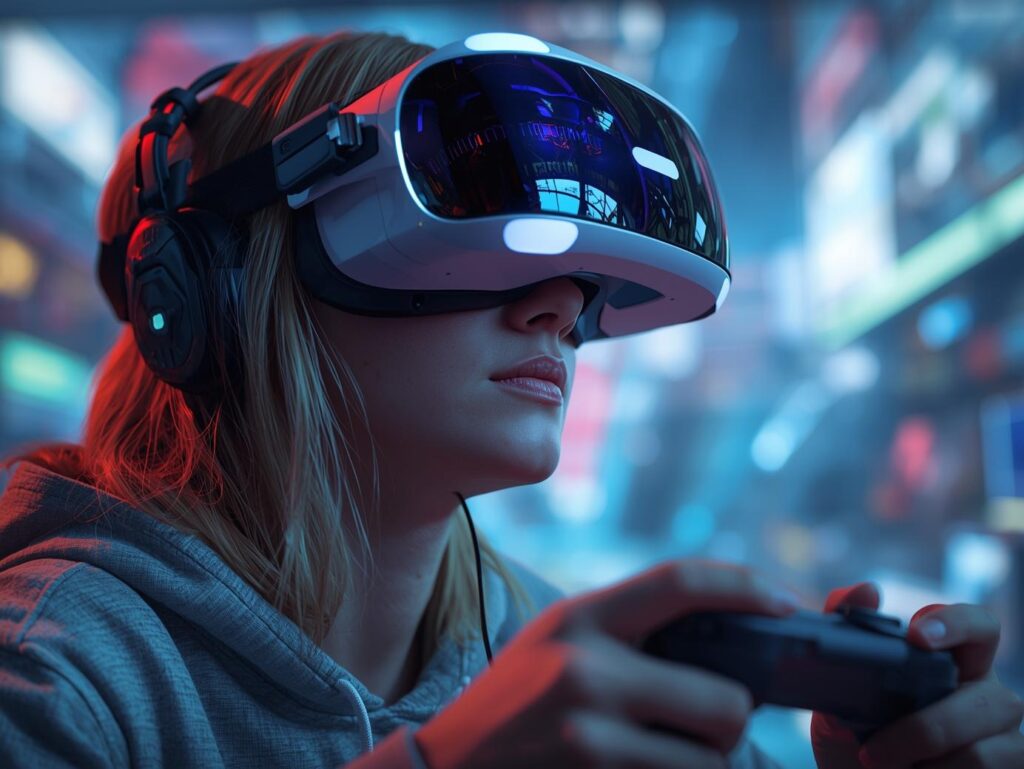
Developers are continually exploring ways to integrate VR and AR into more genres, from first-person shooters to simulation and exploration games. These technologies are not just shaping entertainment but also revolutionizing game development and education.
Artificial Intelligence in Gaming
Artificial Intelligence (AI) has become a core component of modern game development. AI systems are used to design smarter non-player characters (NPCs), create dynamic environments, and personalize gameplay experiences based on player behavior. Games are now capable of adapting difficulty levels, storylines, and interactions to suit each player’s unique style.
In addition, AI-driven development tools streamline game creation by automating animations, testing, and debugging, enabling developers to focus on creativity and storytelling. The growing use of AI is setting new standards for realism, intelligence, and player immersion.
The Growth of eSports and Competitive Gaming
Competitive gaming, or eSports, has transformed gaming into a global spectator sport. Professional players and teams now compete for millions of dollars in tournaments streamed to worldwide audiences. Titles like League of Legends, Dota 2, and Valorant dominate the eSports scene, with major sponsorships and media deals solidifying the industry’s legitimacy.
Colleges and universities across the United States are offering eSports scholarships and programs, training the next generation of professional players, coaches, and analysts. With growing investment and mainstream recognition, eSports has become a central pillar of modern gaming culture.
Mobile Gaming: The Power of Accessibility
Mobile gaming continues to be the fastest-growing segment in the gaming industry. Smartphones have become powerful enough to run high-quality titles that rival console experiences. Games like Genshin Impact, PUBG Mobile, and Call of Duty: Mobile demonstrate the potential of handheld gaming with rich graphics, multiplayer modes, and constant updates.

The accessibility of mobile gaming allows people of all ages and backgrounds to participate in the gaming world. Developers are investing heavily in mobile platforms, introducing new genres and cross-platform integration to attract both casual and competitive players.
The Influence of Streaming and Content Creation
Game streaming and content creation have become vital components of gaming culture. Platforms such as Twitch, YouTube Gaming, and Kick have transformed gamers into influencers, entertainers, and even full-time professionals. Players no longer just play games—they share their experiences with audiences around the world.
Streaming has also become an important marketing tool for developers, with influencers showcasing new releases, game mechanics, and updates. Live interaction between gamers and fans fosters stronger communities and keeps players engaged with their favorite titles.
Sustainability and Ethical Gaming
As the gaming industry expands, so does the focus on sustainability and ethical practices. Companies are becoming more conscious of the environmental impact of game production and hardware manufacturing. Cloud services, digital downloads, and eco-friendly packaging are reducing waste and carbon emissions.
Additionally, developers are taking steps toward inclusivity and representation, ensuring that games reflect diverse cultures, backgrounds, and perspectives. The move toward ethical gaming is shaping a more responsible and globally connected industry.
The Emergence of Blockchain and NFTs in Gaming
Blockchain technology is introducing new ways for players to own and trade digital assets within games. Non-Fungible Tokens (NFTs) and decentralized gaming platforms are creating virtual economies where players can buy, sell, and trade in-game items securely. While still a controversial topic, blockchain gaming is gaining traction as developers explore how to make it more accessible and sustainable.
This technology allows players to maintain ownership of their digital assets even outside the game, opening possibilities for new revenue streams and interactive experiences.
The Future of Gaming
The future of gaming is being shaped by innovation, collaboration, and creativity. With advancements in AI, VR, and cloud technologies, the next decade promises an even deeper level of immersion and realism. As gaming becomes more social, inclusive, and technologically advanced, it will continue to blur the lines between virtual and physical reality.
The growing influence of mobile platforms, eSports, and streaming communities will ensure that gaming remains a global cultural force for years to come. Developers are now focused on delivering not just entertainment, but meaningful and personalized experiences that resonate with players on emotional and creative levels.