

When it comes to blending innovation in technology with creative media, Carnegie Mellon University (CMU) stands out — particularly through its renowned Entertainment Technology Center (ETC). For students interested in game development, interactive media, or immersive entertainment, CMU offers a compelling mix of prestigious reputation, interdisciplinary education, and hands-on project work. Here’s a detailed look at CMU’s game-development-relevant offerings, location, programs, fee structure, and scholarships.
Location and Campus Environment
Carnegie Mellon University is located in Pittsburgh, Pennsylvania, a city with strong roots in technology, robotics, and digital media. The campus is situated in the urban heart of Pittsburgh and offers access to high-end research labs, industry connections, and a collaborative environment suited for game and interactive media projects. The ETC itself is housed on campus and brings together students from computer science, art, design, engineering, and media backgrounds to work on real-world interactive experiences and games.
Programs Offering Game Development Education
One of the signature programs tied to game development at CMU is the Masters of Entertainment Technology (MET) degree through the Entertainment Technology Center. This program is jointly offered by CMU’s School of Computer Science and College of Fine Arts. etc.cmu.edu+2etc.cmu.edu+2
Key features of the ETC/MET program include:
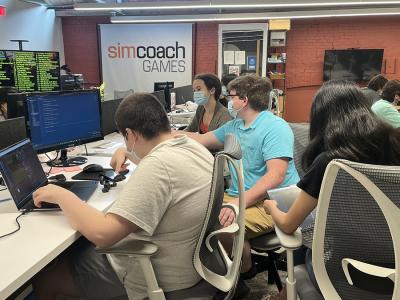
- A two-year master’s degree focusing on interactive entertainment, including games, immersive experiences, and emerging media. etc.cmu.edu
- Students collaborate in teams to design and build playable prototypes, leveraging the university’s technical and artistic resources. etc.cmu.edu
- The curriculum draws from design, art, engineering, narrative, and production disciplines — making it ideal for those who want to work at the intersection of these fields.
While the MET is the most game-specific program, CMU also offers other graduate degrees in related areas such as technical art, game engineering, and interactive media, often through departments like School of Computer Science, College of Fine Arts, or the Integrative Innovation Institute.
Fee Structure and Cost of Attendance
Attending a top-tier institution like CMU comes with significant investment. Here are some of the latest publicly listed figures for the ETC/MET program:
- For the 2025-2026 academic year, the cost of attendance for the ETC program lists tuition at approximately US$59,400, plus additional fees (activity, technology, etc.). Carnegie Mellon University
- When factoring in living expenses, books and supplies, health insurance, personal and miscellaneous costs, the total estimated cost reaches around US$94,516 for the year (including both tuition and all living/other costs). Carnegie Mellon University
- The program spans two years, so students should plan for the cumulative cost across both years.
Given these high costs, the value proposition rests heavily on the reputation of CMU, the project-based learning, and the strong industry connections the university offers.
Scholarships and Financial Aid
CMU does provide scholarship and financial aid opportunities, though in programs like the ETC, merit-based and need-based scholarship resources can be more limited compared to some undergraduate programs. Application for these scholarships is typically integrated with the admission process. etc.cmu.edu
Important considerations:
- Applicants to the ETC are automatically considered for merit scholarships through the application process. etc.cmu.edu
- Some external funding options and assistantships may be available in related departments, especially for students with exceptional talent in game design, interactive media, or technical artistry.
- Prospective students — particularly international students — should carefully assess the scholarship availability and factor in living costs, since financial support may not cover full tuition plus expenses.
Why CMU Is a Strong Choice for Game Development
For a gaming website audience based in the USA, CMU’s game-related education offerings are noteworthy for several reasons:
- Prestige and recognition: CMU is globally renowned in computer science, robotics, and interactive media. A degree from the ETC or a related department carries weight in the industry.
- Interdisciplinary approach: The program pulls together art, design, engineering, storytelling, and production — a combination very relevant for game development careers.
- Portfolio-driven learning: Students leave with tangible game or interactive media projects, which can be showcased when applying for jobs in game studios, VR/AR firms, or entertainment tech companies.
- Location and industry access: Pittsburgh’s technological ecosystem, combined with CMU’s research labs and industry partnerships, gives students a strong environment for innovation and career preparation.
Considerations Before Applying
While CMU offers many advantages, there are a few key points to evaluate:
- Cost vs. return: With total costs near or exceeding US$90,000 per year (including living expenses), students should carefully assess potential job outcomes and earnings to ensure a sound investment.
- Competitive admissions: Given the program’s prestige and project-based nature, applicants must present strong portfolios, solid technical/artistic skills, and a clear intention in interactive media or game development.
- Limited scholarships for certain roles: While merit and need-based aid exists, in highly specialized programs like MET, full-tuition scholarships may be scarce — especially for international applicants.
- Career fit: If your goal is strictly focused on game design, one should compare whether a highly specialized game-dev school or a more broad game degree might offer better cost-effectiveness. CMU is more suited to those who also value research, interactive media beyond just games, and high technical/artistic crossover.