
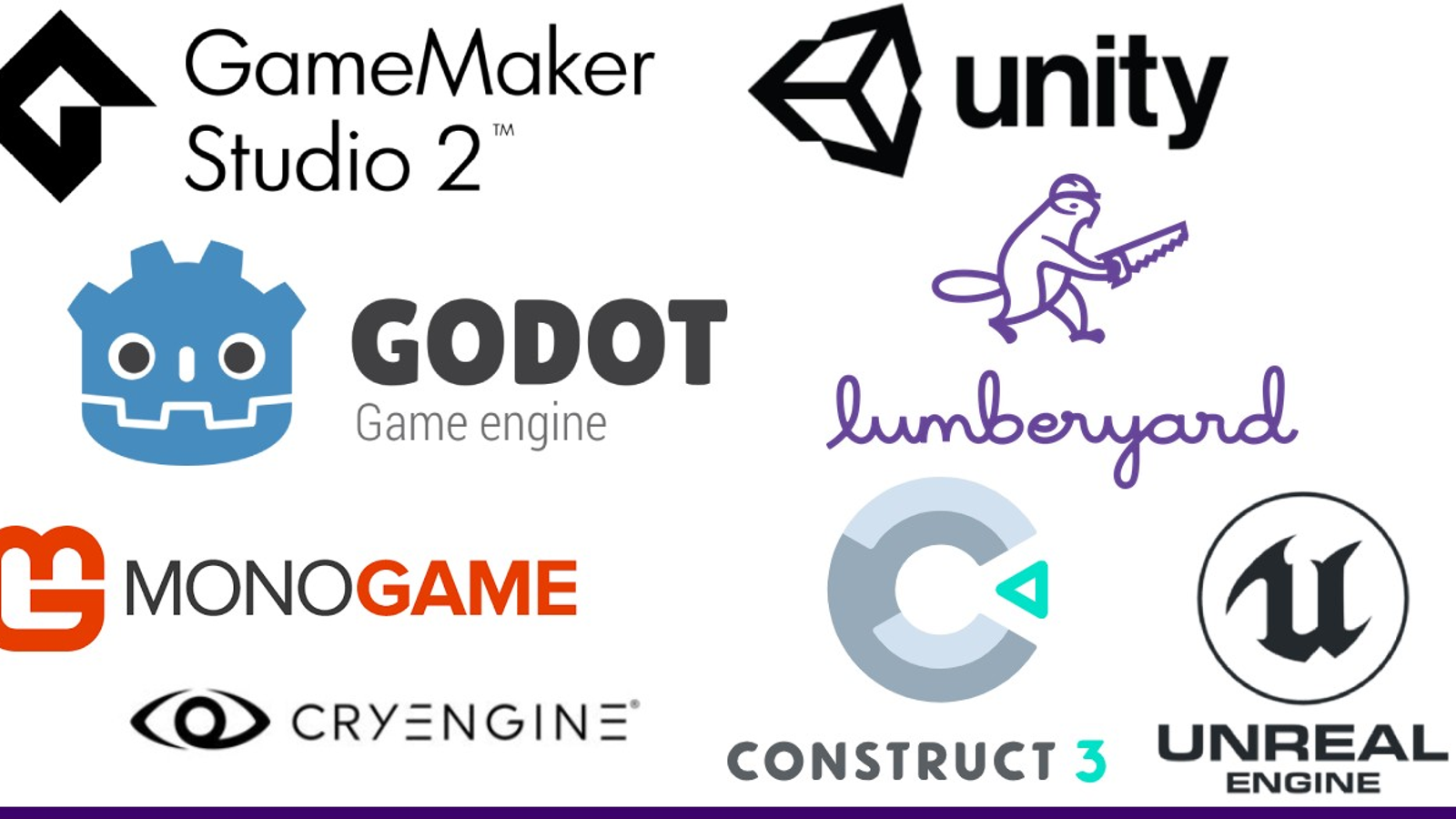
The gaming industry has transformed into one of the most dynamic sectors in the world of technology, driven by constant innovation and creativity. Behind every immersive world, realistic environment, and interactive experience lies the power of game engines—the essential technology that forms the backbone of game development. Whether it’s a mobile title, an eSports competition game, or a high-end console release, game engines play a pivotal role in shaping how games are created, tested, and experienced.
Understanding Game Engines
A game engine is a software framework designed to support the creation and development of video games. It provides developers with the necessary tools to design environments, render graphics, manage physics, handle artificial intelligence, and control game logic. Essentially, a game engine acts as the foundation upon which all game components are built.
Game engines allow developers to focus on creativity and storytelling rather than building complex systems from scratch. They streamline workflows, enhance productivity, and ensure that games run smoothly across different platforms such as PCs, consoles, and mobile devices.
The Role of Game Engines in Development
Game engines combine multiple technologies under one platform to create a seamless development environment. They integrate graphics rendering, physics simulation, sound design, artificial intelligence, and user input management into a single ecosystem. This helps game developers bring their visions to life more efficiently.
By using powerful engines, developers can quickly test gameplay mechanics, adjust environments, and refine animations in real-time. This speeds up production and allows studios to deliver high-quality games with realistic visuals and engaging interactivity.
Popular Game Engines in the Industry
Unreal Engine
Developed by Epic Games, Unreal Engine is one of the most powerful and widely used game engines globally. Known for its cutting-edge graphics and advanced rendering capabilities, it powers major titles like Fortnite, Gears of War, and many AAA productions. Unreal Engine uses C++ programming and features Blueprints, a visual scripting tool that allows designers to create gameplay without deep coding knowledge.
Its real-time rendering capabilities make it ideal not just for gaming but also for film, architecture, and virtual reality projects. Unreal Engine 5, the latest version, introduces Nanite for detailed 3D environments and Lumen for dynamic lighting, enabling developers to achieve unparalleled realism.
Unity Engine
Unity is one of the most popular engines among both indie developers and major studios due to its flexibility and accessibility. It supports 2D, 3D, AR, and VR development, making it a versatile tool for various gaming genres. Unity’s scripting is based on C#, and it offers an extensive asset store where developers can find ready-made assets and tools to accelerate production.
Unity is commonly used in mobile and cross-platform game development because of its scalability. Famous games like Among Us, Monument Valley, and Pokémon Go were built using Unity, showcasing its wide range of capabilities.
CryEngine
Developed by Crytek, CryEngine is known for its photorealistic graphics and detailed environmental rendering. It provides advanced lighting systems, vegetation tools, and AI scripting features that make it ideal for creating immersive open-world experiences. Games like Crysis and Hunt: Showdown are prime examples of what CryEngine can achieve in terms of visual excellence and realism.
CryEngine is often favored for projects that demand exceptional visual fidelity, making it a preferred choice among developers focusing on high-end PC and console games.
Godot Engine
Godot is an open-source game engine that has gained popularity among independent developers due to its flexibility and free access. It supports both 2D and 3D game creation and uses a unique scripting language called GDScript, similar to Python. Godot’s open-source nature allows developers to modify its features according to their needs, making it a cost-effective and powerful alternative for smaller studios and solo developers.
Key Components of a Game Engine
A game engine is composed of several vital systems that work together to bring a game to life:
1. Rendering Engine: Responsible for generating visuals, including 2D sprites and 3D models, through real-time graphics rendering.
2. Physics Engine: Simulates realistic object movements, collisions, and environmental interactions.
3. Sound Engine: Handles audio output such as background music, sound effects, and environmental ambiance.
4. Animation System: Controls character movements and animations, ensuring smooth transitions and natural motion.
5. Artificial Intelligence (AI): Governs non-player characters (NPCs), decision-making, and adaptive gameplay.
6. Scripting and Logic Systems: Allow developers to define game rules, actions, and event triggers.
7. Networking System: Enables online multiplayer functionality and synchronization between connected players.
Together, these systems form the technological foundation that determines how a game looks, feels, and behaves.
The Impact of Game Engines on the Gaming Industry
The evolution of game engines has revolutionized how games are developed and experienced. Modern engines empower even small teams to create professional-grade games with fewer resources. They also make cross-platform development easier, allowing studios to release titles on multiple devices simultaneously.
Game engines have also played a major role in advancing virtual reality (VR), augmented reality (AR), and cloud gaming technologies. Engines like Unreal and Unity now support real-time ray tracing, adaptive AI systems, and realistic simulations that were once only possible in high-end productions.
The democratization of game development through engines has opened new doors for creativity and innovation. Aspiring developers, students, and independent creators can now build their own games with accessible tools that once required massive budgets.
The Future of Game Engine Technology
The next generation of game engines is expected to focus heavily on AI integration, real-time rendering, and cloud-based development environments. Artificial intelligence will soon assist developers in creating lifelike NPCs, dynamic environments, and personalized gaming experiences.
Additionally, as metaverse development continues to expand, engines like Unreal and Unity are becoming key technologies in building interconnected digital worlds. Cloud-based engines will also allow for more collaborative workflows, enabling teams across the globe to work on a single project in real time.
The line between reality and virtuality continues to blur as game engines evolve, and the future promises even more immersive, responsive, and visually stunning experiences.