
Few games have transformed the gaming landscape like PUBG (PlayerUnknown’s Battlegrounds). Known for pioneering the battle royale genre, PUBG remains one of the most influential titles in competitive gaming, combining tactical survival, realistic combat, and open-world exploration.
For gamers in the USA and across the globe, PUBG offers more than just shooting mechanics — it’s a test of awareness, adaptability, and strategic thinking. Whether you’re playing the PC, console, or mobile version, mastering the battleground requires understanding every detail — from landing zones and weapon loadouts to movement, teamwork, and decision-making.
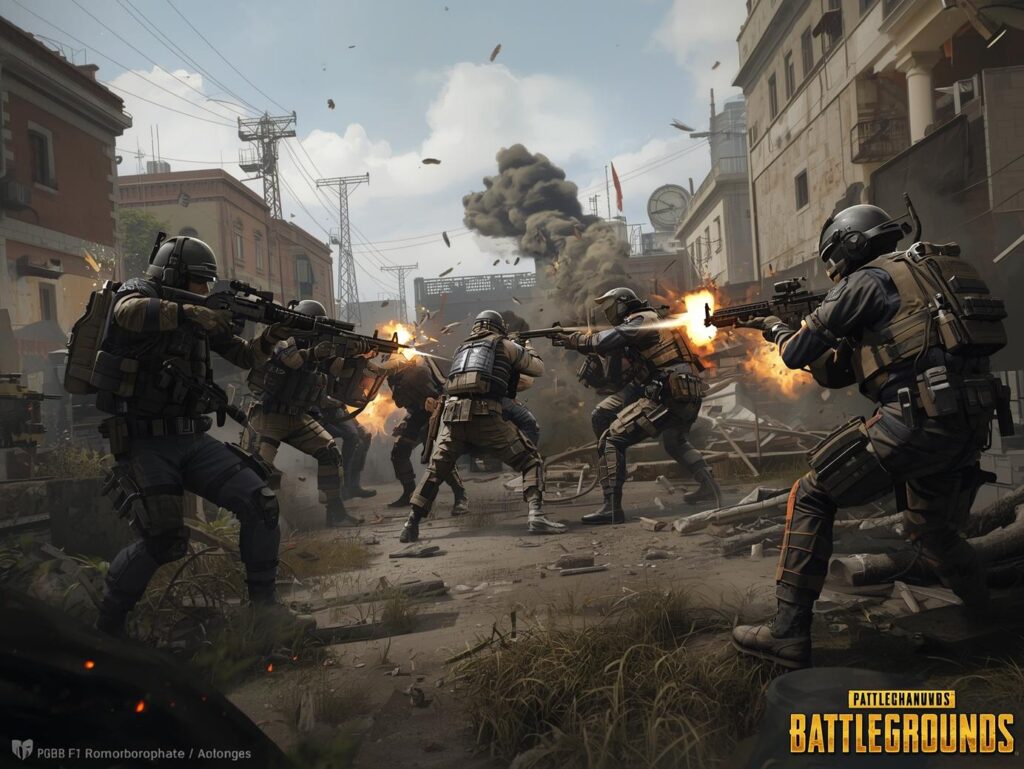
This comprehensive PUBG game guide provides everything you need to know to improve your skills, survive longer, and achieve more “Winner Winner Chicken Dinner” victories.
Understanding PUBG: The Foundation of Battle Royale
PlayerUnknown’s Battlegrounds was developed by PUBG Studios and first released in 2017. It quickly gained worldwide popularity for its realistic approach to the battle royale format. In each match, 100 players are dropped onto an island, where they must scavenge for weapons, vehicles, and supplies while battling to be the last person or team standing.
Unlike arcade-style shooters, PUBG focuses on realism. Its detailed maps, weapon physics, and survival mechanics make every match unpredictable. This realism and intensity have made PUBG a cornerstone of competitive gaming and eSports tournaments.
The key to mastering PUBG lies in balancing aggression and patience — knowing when to fight and when to hide, when to loot, and when to move. Every decision matters, and even small mistakes can lead to elimination.
Choosing the Right Game Mode
PUBG offers several modes tailored to different playstyles.
Solo mode challenges your individual survival instincts. There’s no backup, and every opponent is a potential threat. It’s the best mode for improving awareness and aim.
Duo mode allows two players to cooperate and survive together. Communication and trust are essential here — partners must coordinate attacks, revive each other, and share resources efficiently.
Squad mode includes up to four players per team. This mode emphasizes teamwork, strategy, and coordination. Squads that communicate well and use complementary roles — such as sniper, rusher, and medic — often dominate.
There’s also Arcade mode for quick matches and Training mode for practicing weapons, recoil control, and shooting accuracy.
Landing Strategy: The First Step to Victory
The first and most crucial decision in any match is where to land. PUBG maps feature multiple landing zones, each offering different loot quality, safety, and player density.
High-traffic areas like Pochinki, School, or Bootcamp contain top-tier loot but attract many players. If you’re confident in your combat skills, these locations can give you an early advantage.
Low-risk areas such as Lipovka or Camp Alpha offer safer landings with fewer players, allowing more time to gather equipment before engaging in combat.
The key is balance — choose a landing spot that matches your skill level and strategy. Watch the flight path and jump early or late to avoid crowded areas when necessary.
Looting and Resource Management
Once you hit the ground, your first goal is to gather weapons, armor, and healing items. Looting efficiently saves time and increases survival chances.
The basic must-haves include:
- A primary weapon for mid- to long-range combat.
- A secondary weapon (like an SMG or shotgun) for close-range fights.
- Armor (helmet and vest) for protection.
- Healing items like bandages, first-aid kits, and energy drinks.
- Grenades and smoke for tactical advantages.
Loot smartly — don’t spend too long searching one area. Move quickly, stay aware of your surroundings, and always close doors behind you to conceal your presence.
Pro players often loot while moving in circles, ensuring they’re always inside the safe zone or close to an escape route.
Mastering Weapons and Attachments
PUBG’s weapon system is one of the most detailed in any shooter game. Each gun behaves differently, with unique recoil, bullet speed, and effective range.
The Assault Rifles (ARs) like the M416, AKM, and Beryl M762 are reliable for most combat situations. They balance firepower and range effectively.
The Sniper Rifles (SRs) such as Kar98k and AWM dominate at long distances, capable of taking down enemies with a single headshot.
Submachine Guns (SMGs) like the UMP45 and Vector are excellent for close-quarters combat due to their fast fire rate.
Shotguns are deadly in tight spaces, while DMRs (Designated Marksman Rifles) such as the SKS and Mini 14 bridge the gap between ARs and SRs.
Attachments enhance performance. Scopes (2x, 4x, 8x) improve targeting, while compensators and grips help manage recoil. Extended magazines reduce reload frequency.
The right weapon combination depends on your playstyle. Most experienced players carry an AR for mid-range and an SR or SMG as a backup.
Understanding the Blue Zone and Safe Zone
One of the defining mechanics of PUBG is its shrinking play area. The blue zone gradually closes in, forcing players into smaller areas and increasing confrontation.
Always monitor the safe zone (white circle) on your map. Getting caught outside the blue zone inflicts continuous damage, which increases as the game progresses.
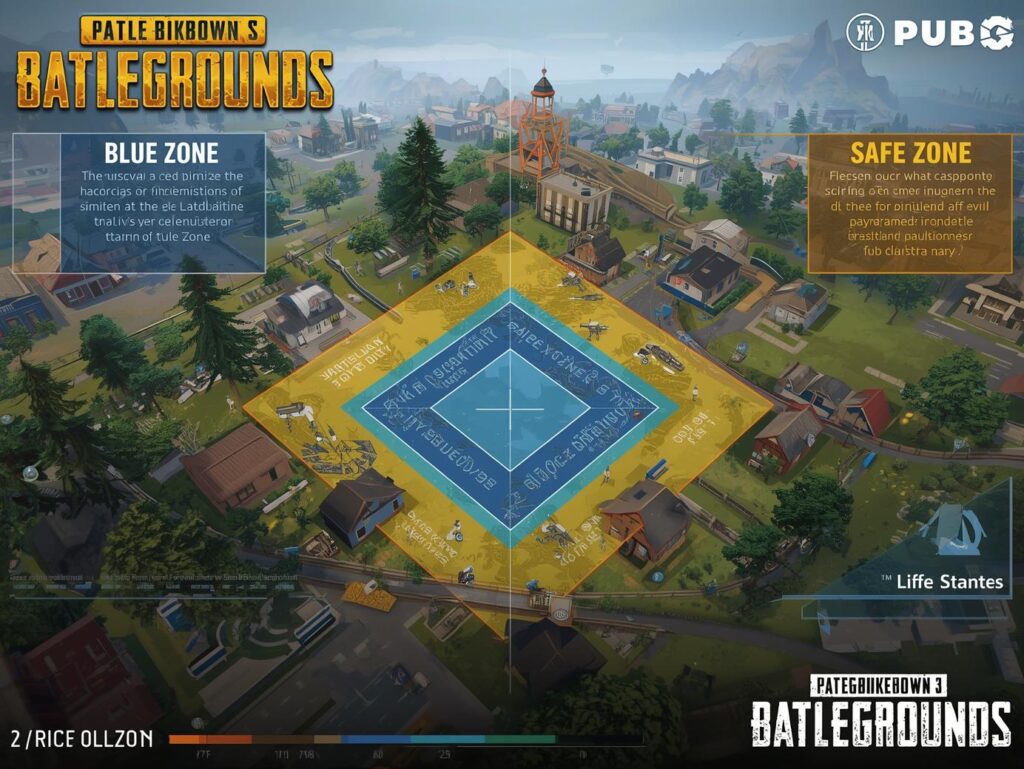
Strategic players use the blue zone to their advantage by ambushing enemies who are trying to escape it. However, never stay outside too long — the damage can be fatal in later circles.
Rotating early and finding high ground within the next safe zone gives a major tactical advantage. Avoid running into open fields, and always plan a route using trees, rocks, and buildings for cover.
Vehicles and Mobility
Vehicles are vital for traveling long distances quickly, especially when the safe zone shrinks far from your position. PUBG offers a variety of vehicles, including jeeps, motorcycles, boats, and buggies, each with unique speed and durability.
However, vehicles generate noise, which can attract attention. Use them wisely — drive fast when escaping the blue zone but abandon them near combat areas to avoid detection.
Controlling vehicles effectively also allows for quick rotations and emergency retreats. Skilled players often use cars as mobile cover during fights.
Team Communication and Coordination
In squad or duo modes, communication determines success. Use voice chat or quick commands to relay enemy positions, loot availability, and movement plans.
Establish clear roles within your team. A sniper can provide long-range overwatch, while rushers push enemies during close combat. A designated medic can carry extra healing supplies to support teammates.
Revive teammates strategically — ensure the area is clear before attempting rescues. Poorly timed revives often lead to total squad elimination.
Well-coordinated teams with synchronized movements can dominate even stronger opponents.
Surviving the Endgame
The final few circles in PUBG are the most intense and unpredictable. By this stage, only a handful of players remain, and every move counts.
Stay prone or crouched when in open fields. Use smoke grenades to obscure vision and gloo walls or vehicles for temporary cover. Avoid shooting unless necessary — revealing your position can make you a target for multiple players.
Always keep your armor and health at maximum. Reload weapons, heal up, and check your surroundings constantly.
In the final circle, patience is your greatest weapon. Let others engage first, and strike when they’re vulnerable. Precision, timing, and composure win the endgame more often than raw firepower.
Common Mistakes New Players Should Avoid
New players often rush into combat too early, loot carelessly, or ignore sound cues. Footsteps, gunfire, and vehicle sounds are vital indicators of nearby threats — wearing headphones enhances spatial awareness.
Avoid tunnel vision. Constantly check your surroundings, especially behind you. Many players get eliminated by unseen opponents while focusing too narrowly on a target.
Never underestimate the importance of cover. Standing still in open ground, even for a few seconds, can be fatal.
Advanced Tactics: Playing Like a Pro
Professional PUBG players use advanced strategies that separate them from casual gamers. Learning these tactics can help you climb ranks and improve your win rate.
1. Pre-fire and Peeking: Anticipate enemy positions and shoot preemptively while peeking around corners.
2. Jiggle Movement: Rapidly move side to side while shooting to make yourself harder to hit.
3. Grenade Usage: Master the timing of frag grenades and smoke throws. Well-placed explosives can clear rooms or force enemies out of hiding.
4. Map Awareness: Learn loot routes, sniper spots, and choke points. Each map has distinct geography that can be used strategically.
5. Red Zone Awareness: Avoid staying in red zones where bombs drop randomly — they can eliminate players instantly.
PUBG’s Impact in the USA and Beyond
PUBG has cemented its place in American gaming culture. Its blend of tactical depth, teamwork, and realism attracts both casual players and competitive professionals.
The rise of PUBG tournaments, content creators, and streamers in the United States has helped the game maintain relevance years after release. Its influence also paved the way for other successful battle royale titles like Fortnite, Apex Legends, and Call of Duty: Warzone.
PUBG Mobile, in particular, continues to dominate global eSports, with millions of players competing in ranked matches and tournaments.
The Future of PUBG
PUBG’s developers continue to enhance gameplay through regular updates, introducing new maps, vehicles, weapons, and seasonal challenges. The launch of PUBG: New State showcased the franchise’s commitment to innovation with futuristic themes and improved mechanics.
With cross-platform support, improved graphics, and consistent updates, PUBG remains one of the most exciting and competitive shooters in modern gaming.